
Eyebrow Transplant vs Microblading: Which Is Better Long Term?
Microblading uses semi-permanent pigment to draw hair-like strokes on the skin, and needs regular top-ups, typically every year or two, though this varies. An eyebrow transplant places hair follicles in the brow, aiming for hair that grows long-term, but it usually needs regular trimming. Microblading is quicker and less involved, while a transplant is a surgical procedure.
Neither is right for everyone. This guide sets out how each works, how long it lasts and who it tends to suit, so you can decide what fits you.
At a glance
| Comparison | Eyebrow Transplant | Microblading |
|---|---|---|
| What it is | Eyebrow Transplant Real hair follicles moved into the brow, usually from the back of the scalp | Microblading Semi-permanent pigment placed in the skin in fine, hair-like strokes |
| Result | Eyebrow Transplant Hair that grows from transplanted follicles | Microblading The look of hair, drawn in pigment |
| How long it lasts | Eyebrow Transplant Designed to be long-lasting | Microblading Fades over time, with regular top-ups, often every year or two |
| Upkeep | Eyebrow Transplant Regular trimming and grooming | Microblading Top-up appointments |
| Procedure | Eyebrow Transplant Surgical procedure carried out by a surgeon, with healing time | Microblading Cosmetic treatment, usually with a shorter healing time |
| When you see the result | Eyebrow Transplant New hair grows in gradually over months | Microblading Straight away, softening as it heals |
| Who it may suit | Eyebrow Transplant Stable brow loss where you want real hair long term | Microblading People who want definition quickly, or who are not suitable for or ready for surgery |
How does microblading work?
Microblading uses a fine hand tool to place pigment just under the surface of the skin in short strokes that look like individual hairs. It does not grow hair. It gives the appearance of fuller, more defined brows, and the result is visible straight away.
Because the pigment sits in the skin, it fades as the skin renews itself. Many people have top-ups, typically every year or two, to keep the colour and shape. How quickly it fades varies with skin type, sun exposure and skincare.
How does an eyebrow transplant work?
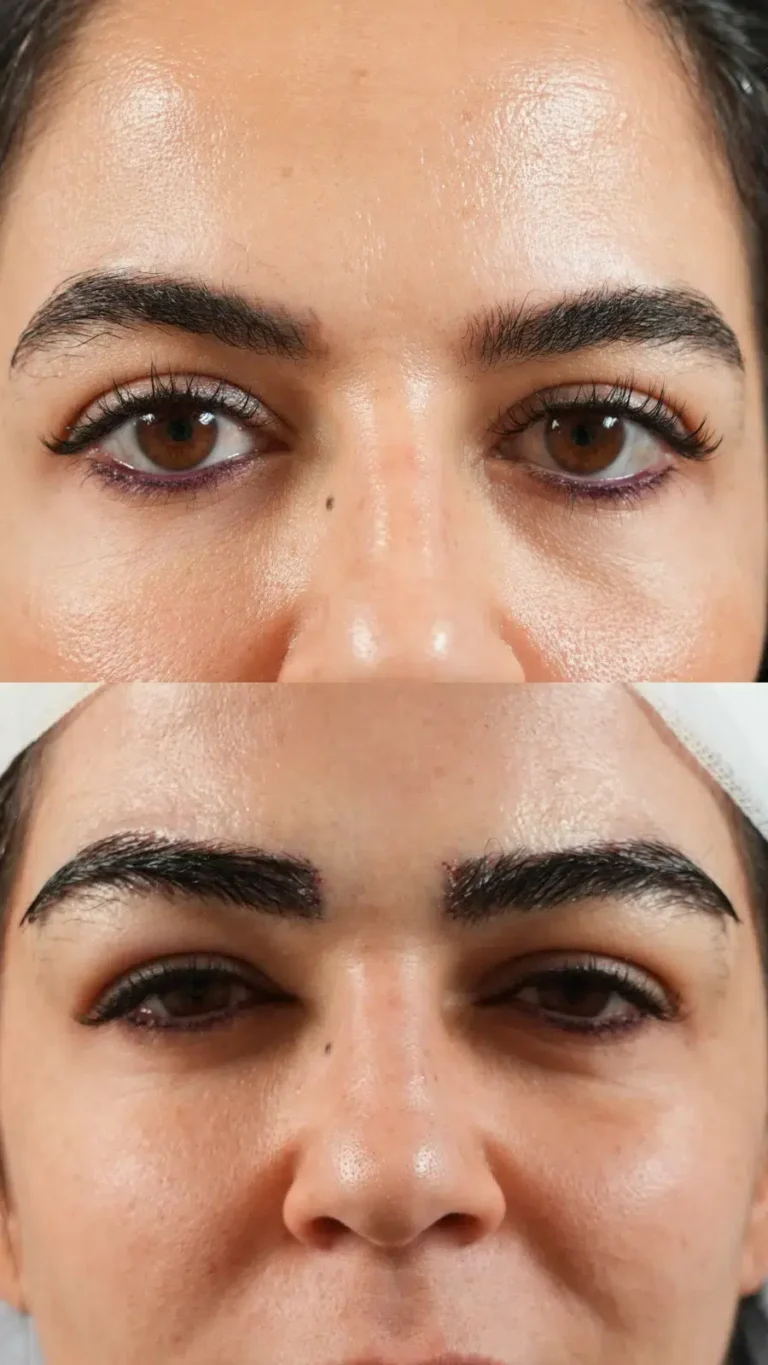
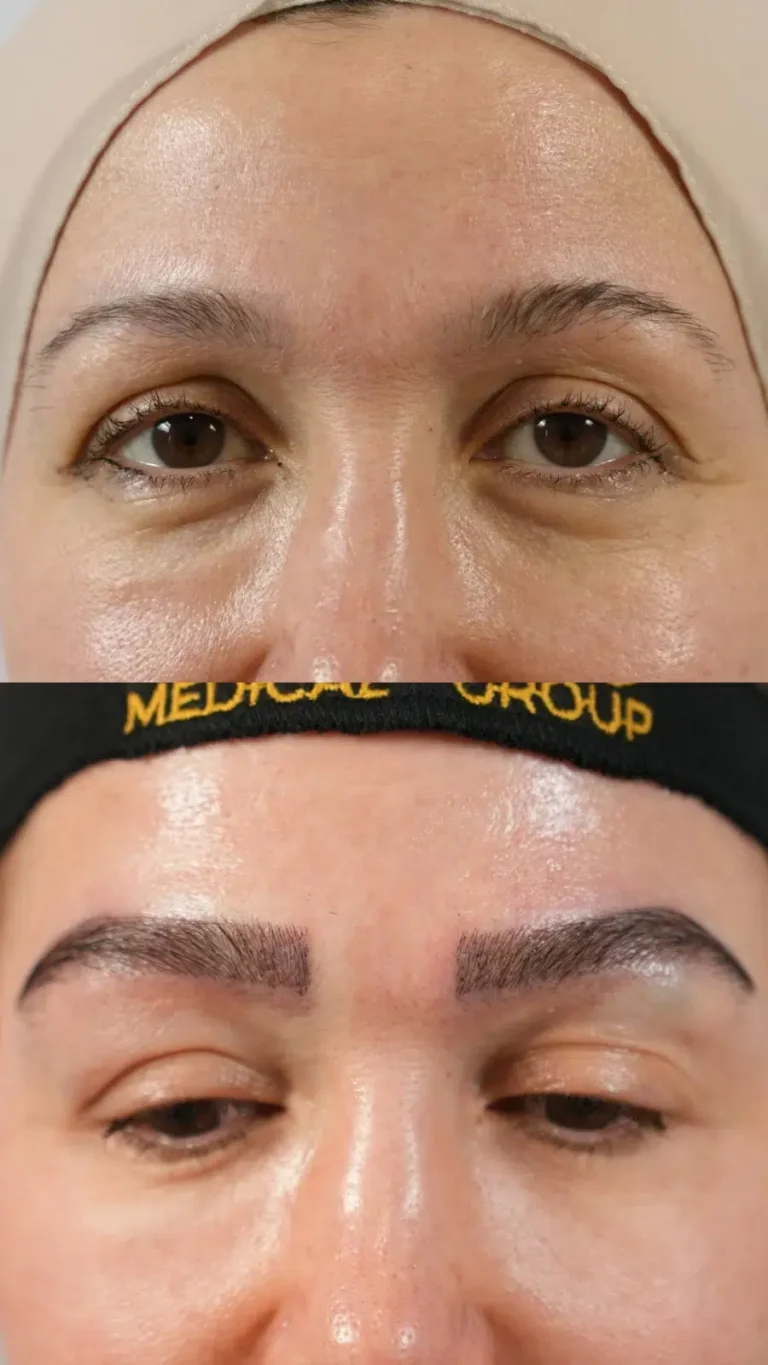
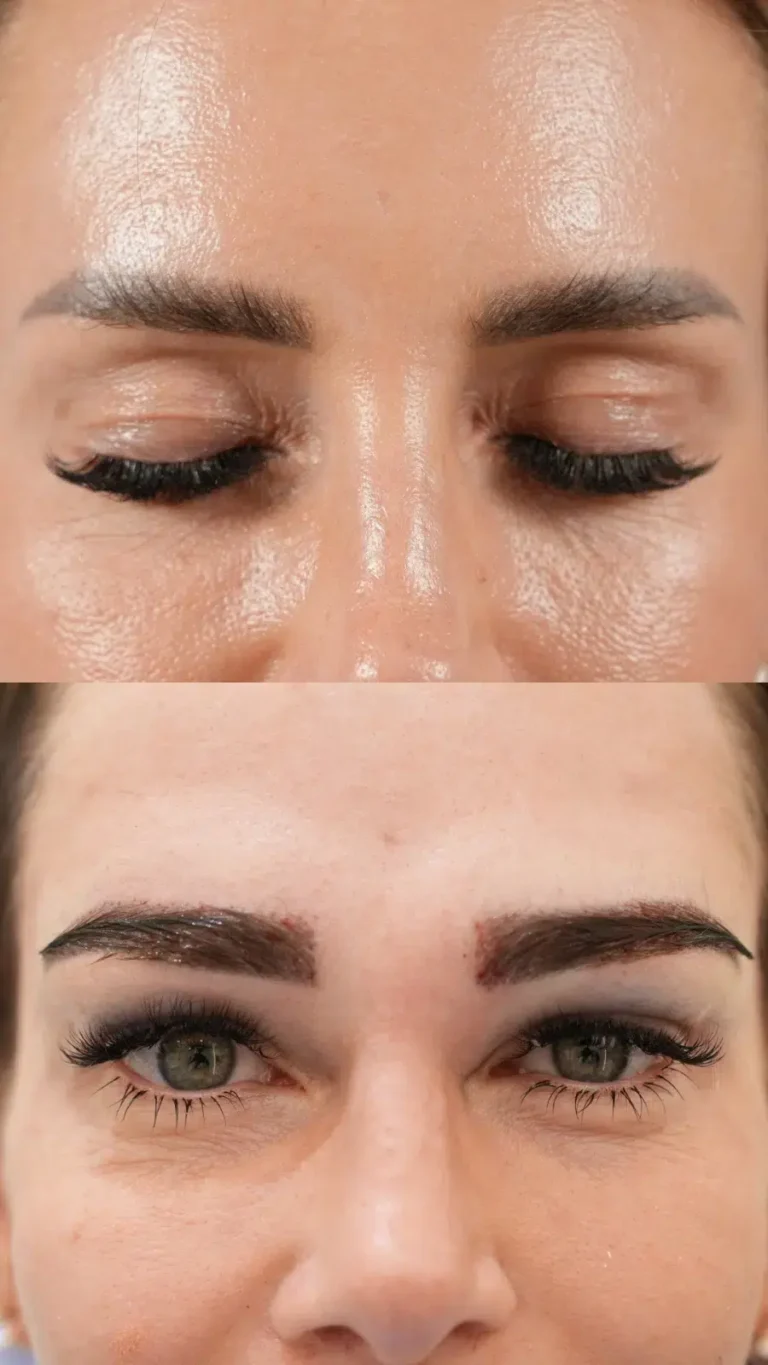
An eyebrow transplant moves healthy hair follicles, usually from the back of the scalp, into the brow. Your surgeon places each hair at an angle that follows the natural direction of eyebrow growth. If the grafts take, the transplanted follicles then grow hair.
At Este Surgery, eyebrow transplants are carried out by a GMC-registered surgeon at our CQC-registered clinic in Edgbaston, Birmingham. The new hairs grow in gradually over the following months, and photos taken soon after treatment do not show the final result. Read more about eyebrow transplants at Este.
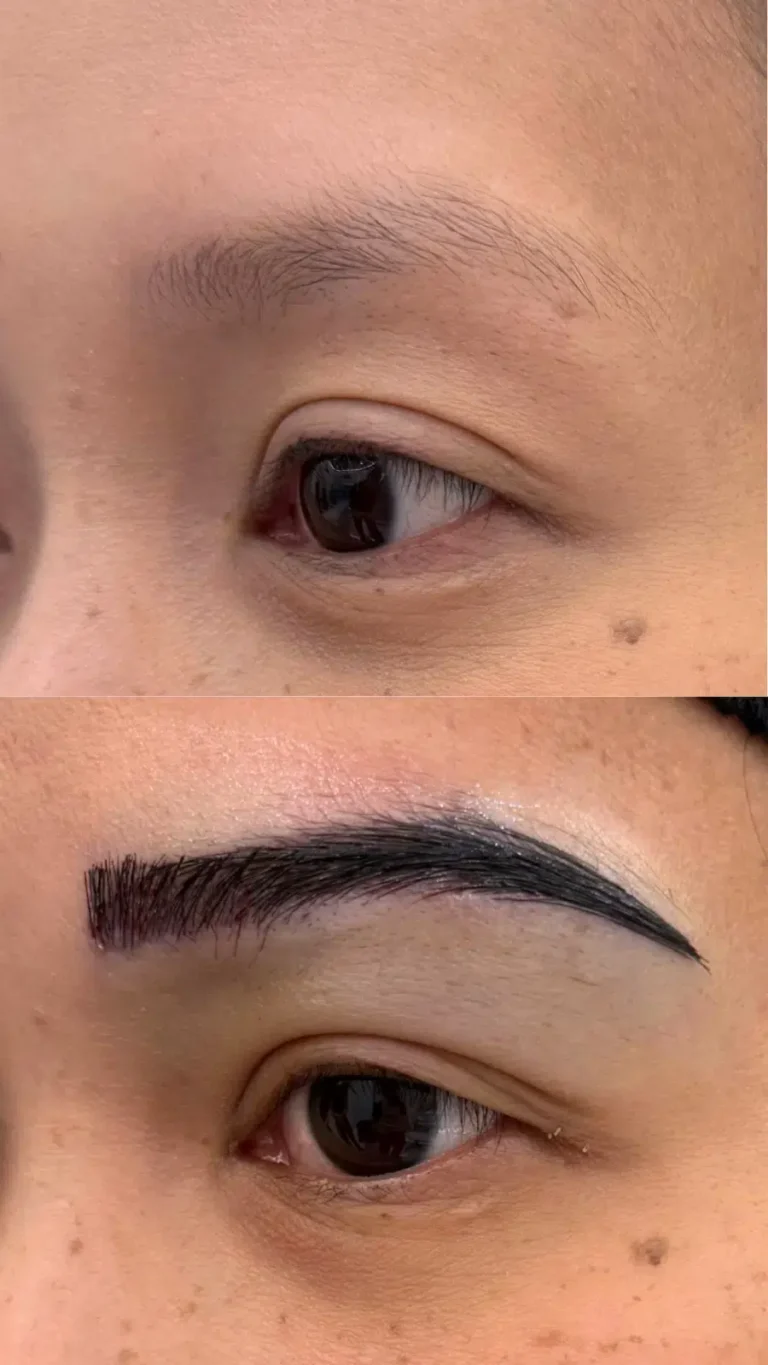
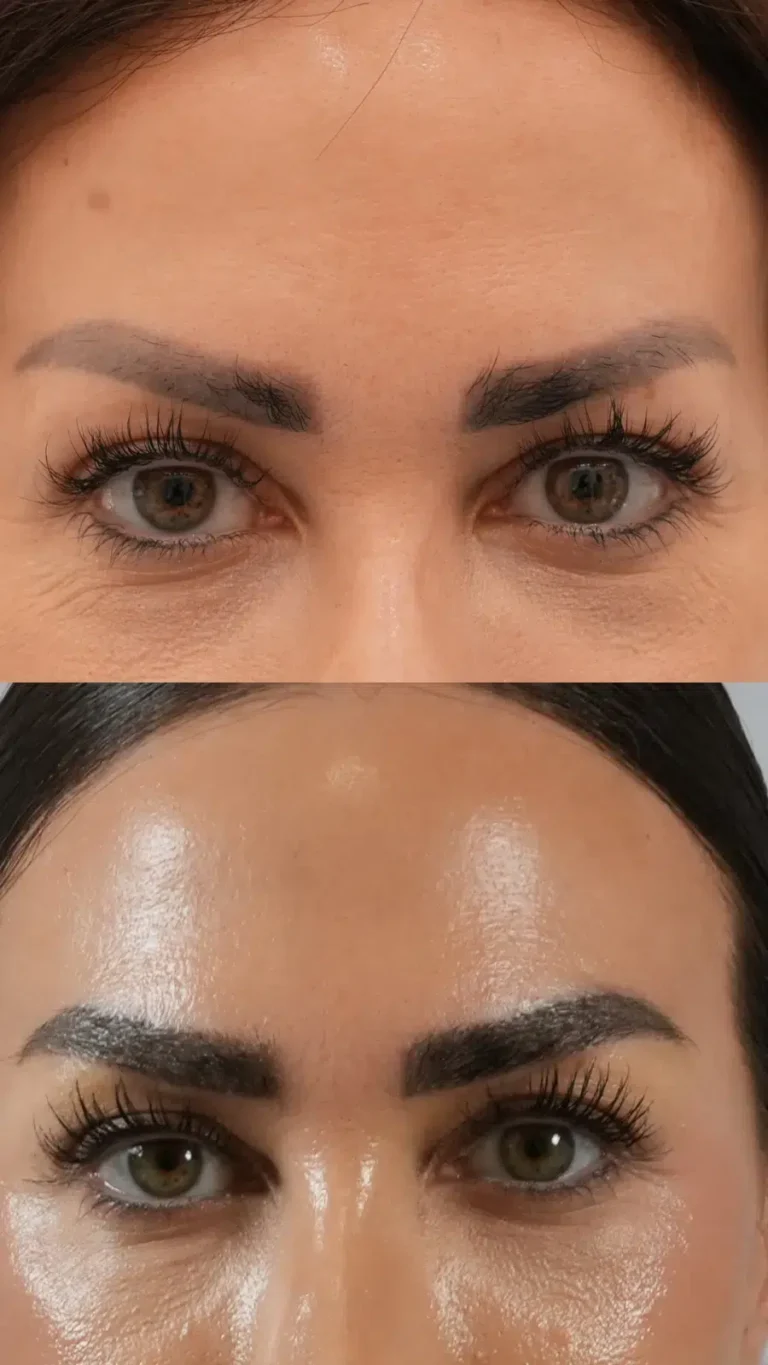
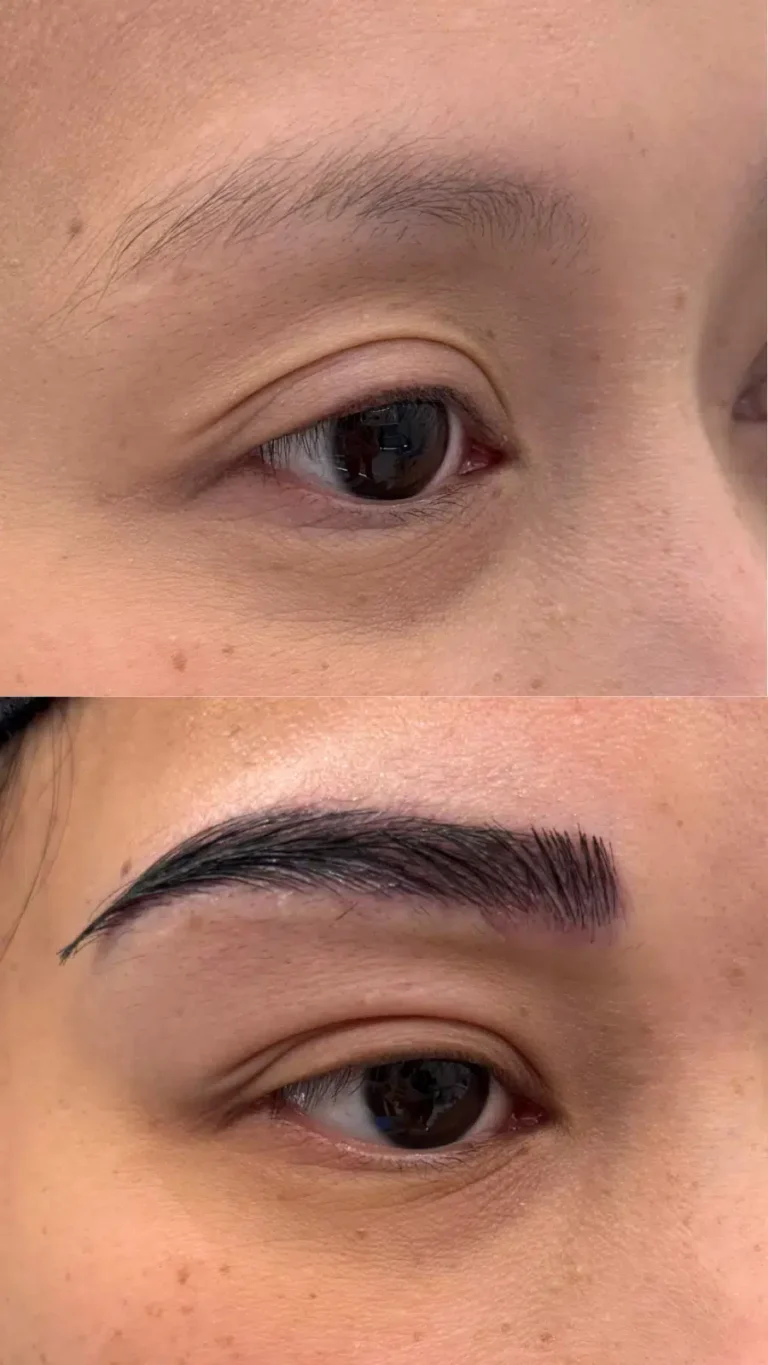
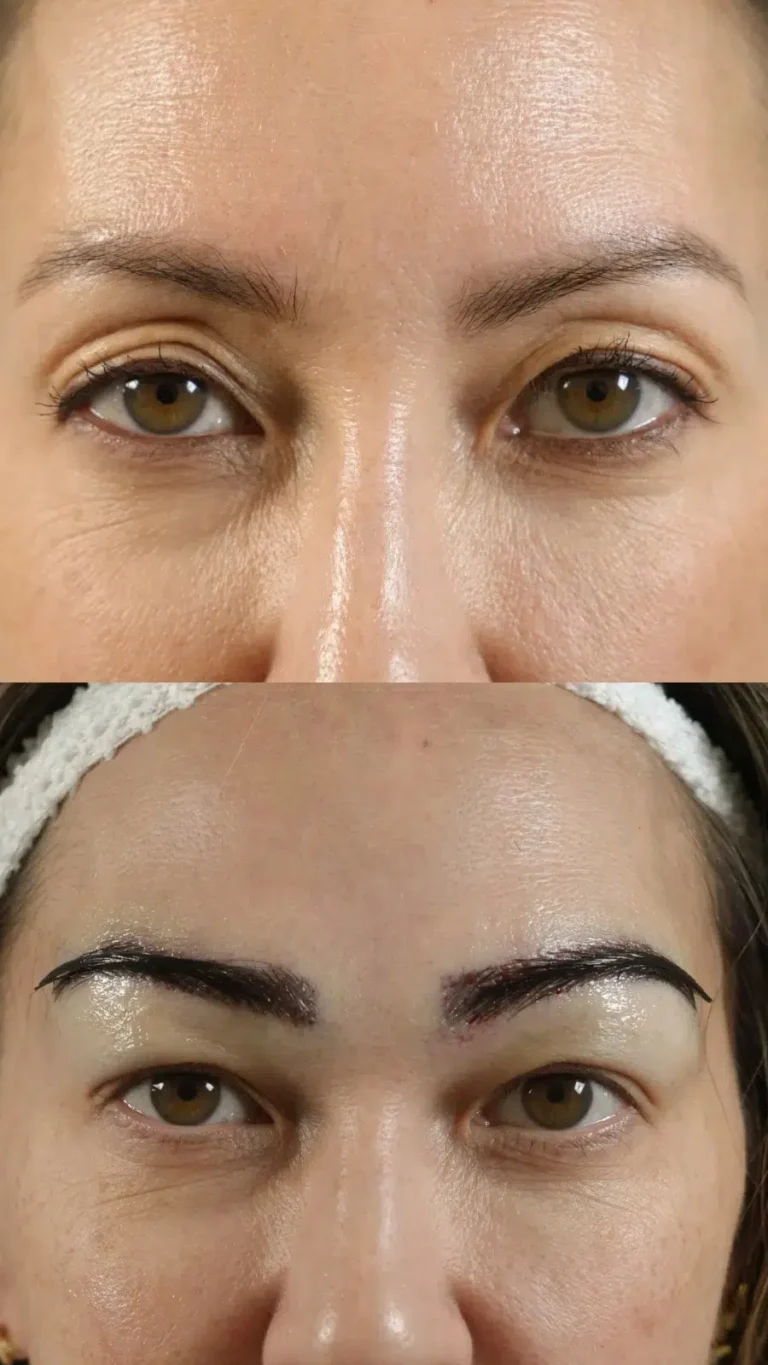
Which lasts longer?
An eyebrow transplant is generally intended to last longer, because it aims to grow hair from living follicles rather than relying on pigment that fades. Transplanted hair is designed to be long-lasting, but lifelong growth of every graft is not guaranteed.
Microblading is semi-permanent by design. That can be an advantage: if your taste in brow shape changes, a faded microblading result is easier to change than transplanted hair.
What upkeep does each need?
Both need ongoing care, just of a different kind.
- Microblading: top-up appointments to refresh the pigment, often every year or two, and care with sun exposure and some skincare products, which can make pigment fade faster.
- Eyebrow transplant: regular trimming and grooming once the hairs have grown in. Hair taken from the scalp can keep some of its scalp growth habits, so it may grow longer than natural brow hair. Some patients find this is more upkeep than they expected.
Who does each suit?
Microblading may suit you if:
- you want defined brows quickly
- you are happy with regular top-ups
- you would prefer not to have a surgical procedure
- you like the option to change your brow shape over time
An eyebrow transplant may suit you if:
- your brow loss is stable, for example after years of over-plucking or waxing
- you want real hair rather than pigment
- you are tired of repeated top-ups
- you have hair loss from scarring or injury, subject to assessment
- you have suitable donor hair
Some types of brow loss, such as active alopecia or an autoimmune condition, need medical assessment before any cosmetic treatment.
Can you have a transplant over microbladed eyebrows?
Possibly. Your surgeon will need to look at the pigment, your skin, any scarring and the existing shape before planning a transplant. A transplant does not remove or correct existing pigment, so do not assume it will cover old microblading.
What about cost over time?
Microblading usually costs less per appointment, but top-ups add to the cost over time. An eyebrow transplant is a surgical procedure, so the upfront cost is usually higher. It can help to compare what each might cost you over several years, rather than at the first appointment.
You will receive a written, personalised quote for an eyebrow transplant after your consultation, with no obligation to go ahead.
Risks of each
Both carry some risk. Microblading can cause skin reactions, infection, uneven colour or a shape you are unhappy with, and pigment can change colour as it fades. An eyebrow transplant involves small incisions in the skin and can cause infection, scarring, folliculitis, poor growth, asymmetry, hairs growing in an unexpected direction, or donor area marks or thinning. Exact symmetry cannot be guaranteed with either.
GMC-Registered Hair Transplant Surgeons at Este Cosmetic Surgery
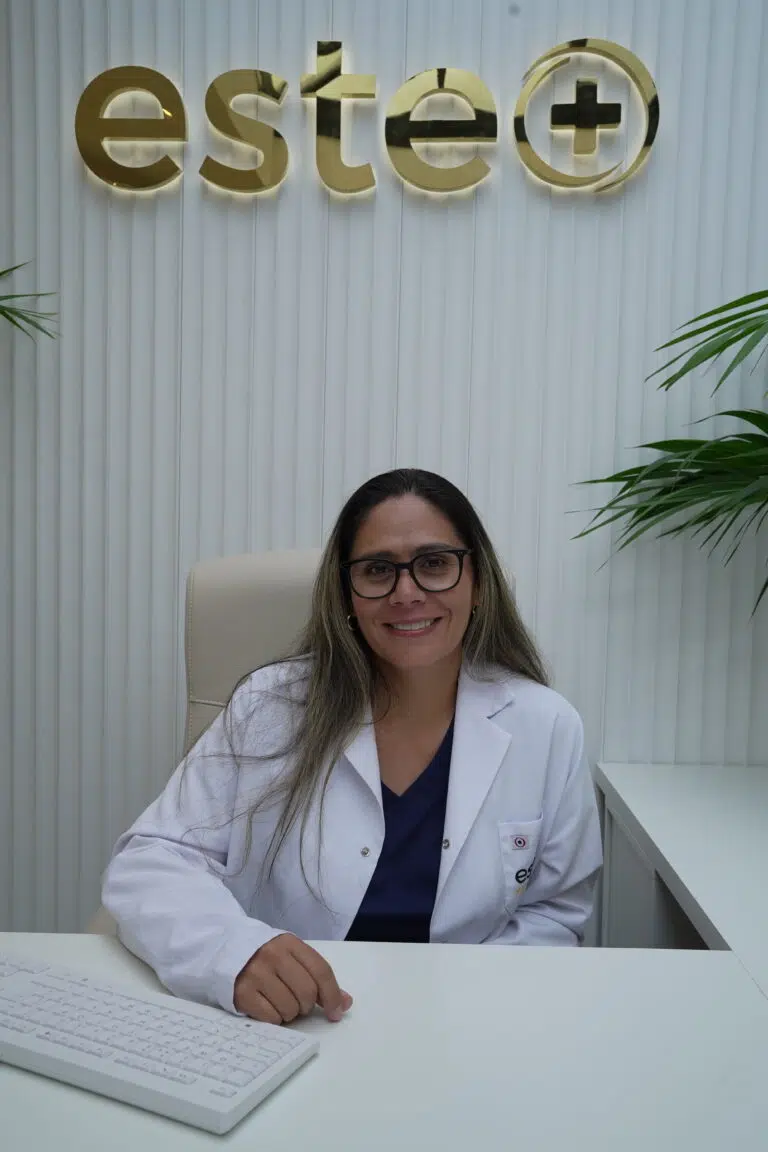
Dr. Ileana Lizzeth Jimenez Andrade
GMC Number: 7764470
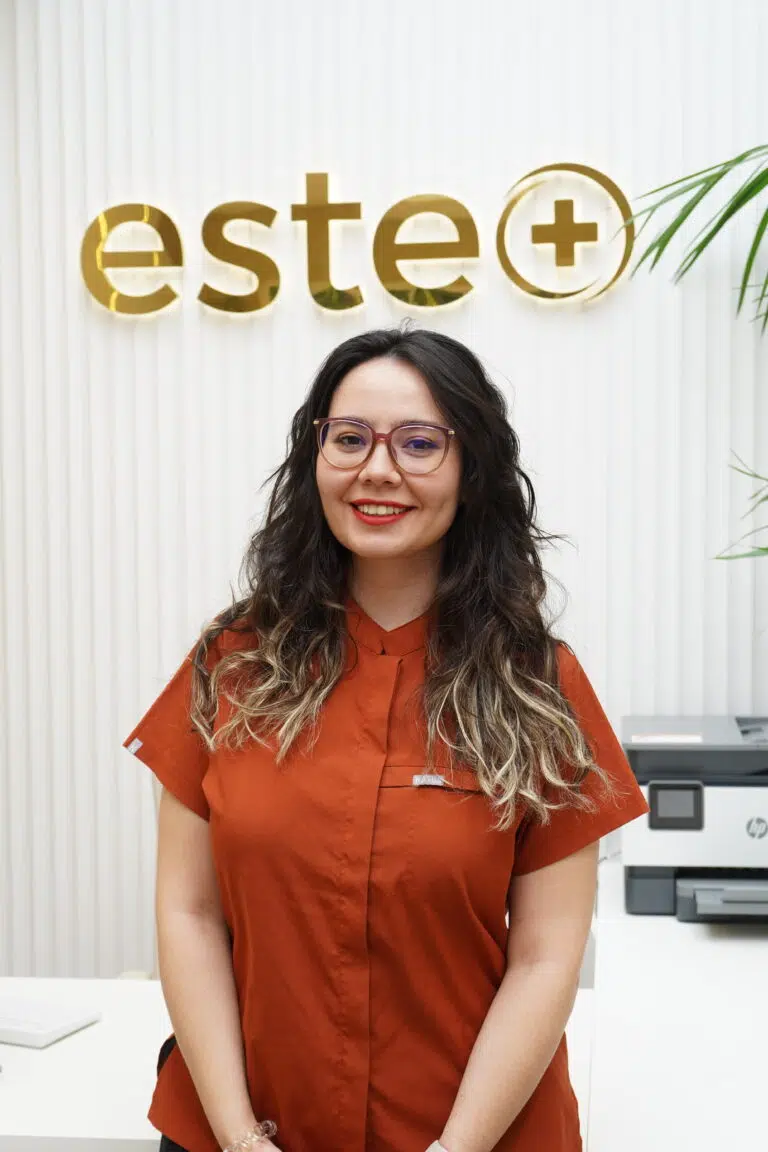
Dr. Ilknur Nihal Ardic
GMC Number: 7996656
Frequently asked questions
Eyebrow transplant versus microblading: which is better long term?
Is an eyebrow transplant permanent?
Does microblading damage eyebrow hair?
Can I have a transplant over microbladed eyebrows?
Do transplanted eyebrows need trimming?
Which looks more natural?
Visit our Birmingham clinic
Este Medical Group Cosmetic Surgery
7 Portland Road, Birmingham, B16 9HN
📞 0121 798 1072
✉️uksurgery@estehairtransplant.co.uk
🕘 Open Mon – Sat: 9AM to 8PM | Sun: Closed