
Transgender Hair Transplant

- CQC-registered Clinic
- GMC-registered Surgeons
- A gender-neutral Clinic
- Private Consultations
Watch Our Clients' Transformation Journeys
A clinic that listens first
Hair can carry a lot of weight in transition. A hairline that reads as masculine, or a beard that won’t fill in, can make every mirror and photo harder than it needs to be.
We are a gender-neutral clinic. That means your first conversation is about what you want to change and why it matters to you, not about fitting you into a standard male or female treatment plan. You will not be asked to justify your transition. We will ask about your hormone therapy, because it affects your hair and the timing of surgery, and we will explain why each question matters.
If you would prefer to bring a partner, friend or support worker to your consultation, or would like a trained chaperone, let us know when you book.
Hair transplants for trans women (MTF)
For trans women, a hair transplant is usually about the shape of the hairline as much as how much hair there is. A typically male hairline sits higher at the temples and forms an M shape. A typically female hairline is lower, rounder and more continuous across the forehead.
Hairline feminisation
A feminising hair transplant moves hair from the back and sides of the scalp (the donor area) into the front to:
- fill the temple corners so the hairline becomes rounder
- bring the centre of the hairline slightly lower, where the donor hair and scalp allow
- add density behind the hairline so the front looks soft and natural, not like a single row of hair
- thicken areas that have thinned from male pattern hair loss before hormone therapy began
Your surgeon designs the hairline around your face, your existing hair and how much donor hair you have. A specific shape or density cannot be guaranteed, and some patients choose a second procedure later to add density.



How hormone therapy affects your hair transplant
Feminising hormone therapy (oestrogen, often with an anti-androgen or testosterone blocker) lowers the effect of the hormones that drive male pattern hair loss. For many trans women it slows or stops further thinning, and some notice regrowth in the first year or two.
That matters for timing. If your hair is still changing in response to hormones, a transplant done too early may be planned around hair loss that later stabilises or improves. Your surgeon will ask how long you have been on hormone therapy and how your hair has responded, and will usually recommend waiting until your hair has settled.
Please don’t stop or change your hormones before surgery unless your prescribing clinician advises it. We will ask for an up-to-date list of your medicines at consultation.
Hair transplant or hairline lowering surgery?
Hairline lowering surgery (also called forehead reduction) removes a strip of forehead skin and brings the whole hairline forward in one operation. A hair transplant moves individual hairs and is better at reshaping the temples. They solve different problems, and some patients have both.
| Hair transplant | Hairline lowering surgery | |
|---|---|---|
| Best for | Filling temples, rounding an M-shaped hairline, adding density | A high forehead with a hairline that is already fairly round |
| How it works | Individual hairs moved from the donor area to the hairline | A strip of forehead skin removed and the scalp moved forward |
| Scar | Small marks in the donor area | A fine scar along the new hairline, usually hidden by the hair |
| When you see the result | Growth develops over many months | Hairline position changes straight away |
| Suitability depends on | Donor hair supply and how stable your hair loss is | How loose (lax) your scalp is, and having no active hair loss at the front |
If you are planning facial feminisation surgery
Hair transplants for trans men (FTM)
Beard and moustache transplants
Testosterone usually brings facial hair, but how much and where depends largely on genetics. Some men find their beard stays patchy at the cheeks, chin or moustache line even after several years.
A beard transplant moves hair, usually from the back of the scalp, into the areas you want to fill. Your surgeon will design the beard shape with you, including the cheek line, moustache and sideburns, and check you have enough donor hair to achieve it without thinning the donor area.
Facial hair often keeps developing for some years after starting testosterone. Your surgeon may suggest waiting to see how your natural beard grows before transplanting, so you don’t spend grafts on areas that would have filled in anyway.
Read more about beard hair transplants at Este.
Testosterone-related hair loss
Testosterone is converted in the body to DHT, the hormone behind male pattern hair loss. If you are genetically prone to it, you may notice your hairline receding or your crown thinning after starting testosterone, sometimes within the first few years.
A hair transplant can restore the hairline or crown. As with any male pattern hair loss, your surgeon will look at how fast your hair is changing and may suggest medical treatment alongside surgery, because a transplant does not stop your existing hair from thinning. Any medication that affects DHT can also affect the masculinising effects of testosterone, so this should always be discussed with the clinician who prescribes your hormones.
How your treatment works at Este
Consultation
Choose a free video consultation or visit an Este Medical Group branch in the UK. We review your hair, donor area, hormone history and goals, with no obligation to proceed.
Planning
Your surgeon designs your hairline or beard with you, discussing graft numbers, the technique and what results are realistic.
Your procedure in Birmingham
Your surgery takes place under local anaesthetic at Este Surgery in Edgbaston, Birmingham. Our team can help you plan your travel.
Aftercare
Follow-up after your procedure, with aftercare available at your local Este branch.
Your Procedure at Este Surgery Birmingham
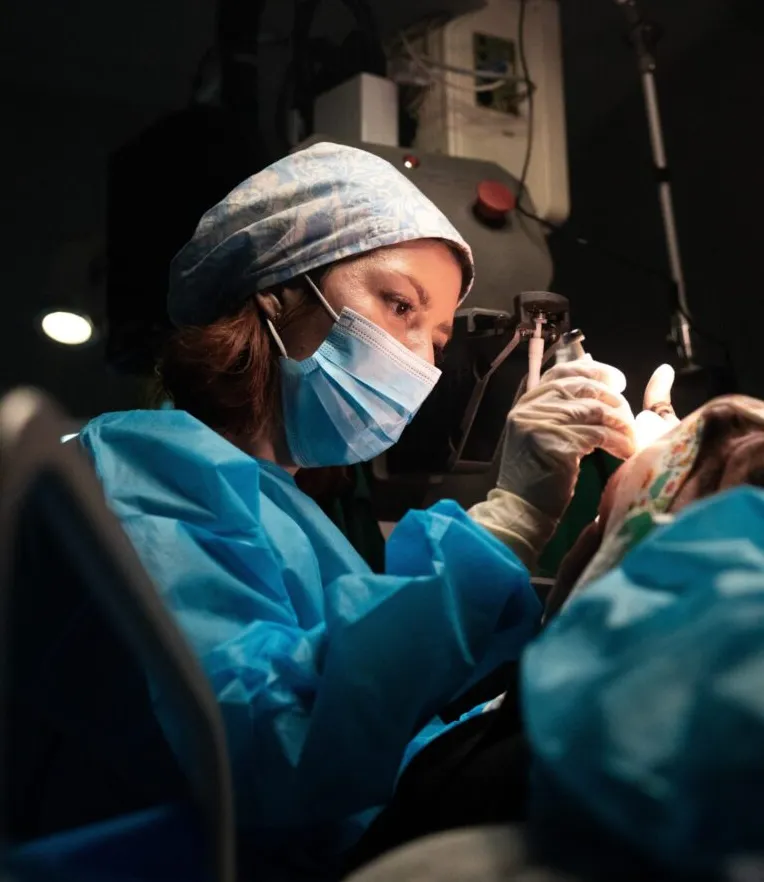
Surgery is carried out under local anaesthetic at Este Surgery, 7-9 Portland Road, Edgbaston. For scalp procedures we use Robotic DHI with Continuous Immediate Implantation (CII), which is designed to keep grafts outside the body for around 10 to 15 minutes, compared with up to three to four hours in some conventional procedures. Our team can help you plan travel to Birmingham.
Recovery and results
First few days
Redness, mild swelling and small scabs are normal. Most patients return to normal day-to-day activities within several days.
First few weeks
Transplanted hairs often shed. This is a normal part of the growth cycle, not a sign the transplant has failed.
Following months
New growth appears gradually. Your final result can take many months to judge.
Risks and realistic expectations
A hair transplant is surgery. Possible risks include infection, bleeding, scarring, temporary shedding of existing hair, altered sensation, folliculitis, uneven or poor growth, and a result that differs from what you hoped for. Donor collection can leave small marks or thinning.
We will talk you through these risks at consultation. If a transplant is not the right option for you, or not right yet, we will tell you.
How much does a transgender hair transplant cost in the UK?
Choosing a safe clinic
Before you book anywhere, it’s worth checking a few things:
- Regulation: in England, clinics carrying out surgical procedures must be registered with the Care Quality Commission (CQC). Este Surgery is registered with the CQC, and you can check any clinic’s registration on the CQC website.
- Surgeon: surgeons must be registered with the General Medical Council (GMC). Ask who will perform your procedure and check their GMC number.
- Aftercare: if you have a question or a problem after surgery, it helps to be near the clinic that treated you. With Este, aftercare is available at your local branch.
GMC-Registered Hair Transplant Surgeons at Este Cosmetic Surgery

Dr. Ileana Lizzeth Jimenez Andrade
GMC Number: 7764470

Dr. Ilknur Nihal Ardic
GMC Number: 7996656
Frequently asked questions
Can transgender women get a hair transplant?
MTF hairline feminisation: hair transplant or hairline lowering?
Does hormone therapy affect hair transplant results?
How long should I be on HRT before a hair transplant?
Can I have an FTM beard transplant in the UK?
Can testosterone cause hair loss after transition, and can a transplant help?
How much does a transgender hair transplant cost in the UK?
Is there a transgender-friendly hair transplant clinic in the UK?
How do I check a hair transplant clinic is safe?
Do you perform facial feminisation surgery?
Book your Video consultation at Este Surgery Birmingham
Talk to us about your hair, in confidence Book a free video consultation with our team. There is no obligation to go ahead, and you can ask us anything.