
Hair Transplant for Women
A hair transplant for women may be considered when there is a suitable, stable area of donor hair and a clear understanding of the hair loss being treated. It is not the right answer for every type of thinning. At Este Cosmetic Surgery in Birmingham, assessment comes before a surgical recommendation.
We discuss the change you have noticed, the result you hope for and whether transplantation could provide a realistic improvement. Your preferences about hairline shape, styling, privacy and recovery form part of that conversation.
First, understand the cause of hair loss
A widening parting, reduced density, a changing hairline or increased shedding can have different causes. Female pattern hair loss, traction, illness, hormonal change and other conditions need to be considered rather than grouped together as a single problem.
Temporary shedding and active scalp disease require different management from stable loss. Blood tests, a dermatology opinion or further investigation may be appropriate. Heat or chemical damage to the hair shaft is not the same as traction-related damage to follicles.
Who may be suitable for transplantation?
Suitability depends on the diagnosis, stability of loss, quality of the donor area and achievable coverage. Some women have thinning that also affects the proposed donor area; moving those hairs may not give the intended result. Active inflammatory or scarring conditions need specialist assessment before surgery is considered.
The consultation also considers your health, medicines, previous treatment and expectations. Choosing a non-surgical approach or delaying treatment may be the more appropriate outcome of that assessment.
Planning your hairline and density
The aim is to work with your existing hair, not impose one standard hairline. We consider the areas that concern you, the direction and texture of your hair and the donor supply available. An apparent increase in coverage is not the same as restoring every follicle that has been lost.
A conservative plan can be important when future loss is possible. Your clinician should explain how the proposed design may look as your native hair changes over time.
The procedure and Robotic DHI
Our Robotic DHI treatment guide explains direct implantation and the clinic’s continuous immediate implantation workflow. For women, the practical plan must also account for existing hair and the areas being treated.
At assessment, confirm the extraction and implantation method, the need for donor or recipient-area trimming and who will perform each stage. A partially shaved or unshaven approach is not suitable for everyone and should not be promised without examining the donor area.
Recovery, styling and regrowth
You will receive instructions for protecting the grafts, washing and returning to work or exercise. Early redness, swelling, tenderness or crusting may affect how comfortable you feel being seen in public. Discuss your usual hairstyle and any need to conceal the donor area before booking.
Growth develops gradually. Transplanted hairs can shed before regrowth, and final appearance may take many months to assess. Ask when colouring, heat styling, tight hairstyles and salon treatments can be resumed for your specific procedure.
Risks and longer-term limitations
Possible problems include infection, bleeding, scarring, temporary shedding of existing hair, altered sensation, uneven growth and dissatisfaction with the result. Your clinician will discuss how these risks apply to you.
A transplant does not treat every underlying cause of hair loss and does not prevent continued thinning of native hair. Long-term management may therefore involve monitoring or a separate treatment plan, rather than assuming surgery is a once-only cure.
Cost and alternatives
Your quote should reflect the planned treatment area, donor assessment, complexity and follow-up. Ask what is included and what could lead to an additional charge. No fixed price or financing arrangement is assumed on this page.
Depending on your diagnosis, alternatives may include medical management, cosmetic camouflage, changing damaging styling practices or no treatment. Discuss benefits and limitations without feeling that surgery is the only valid choice.
GMC-Registered Hair Transplant Surgeons at Este Cosmetic Surgery
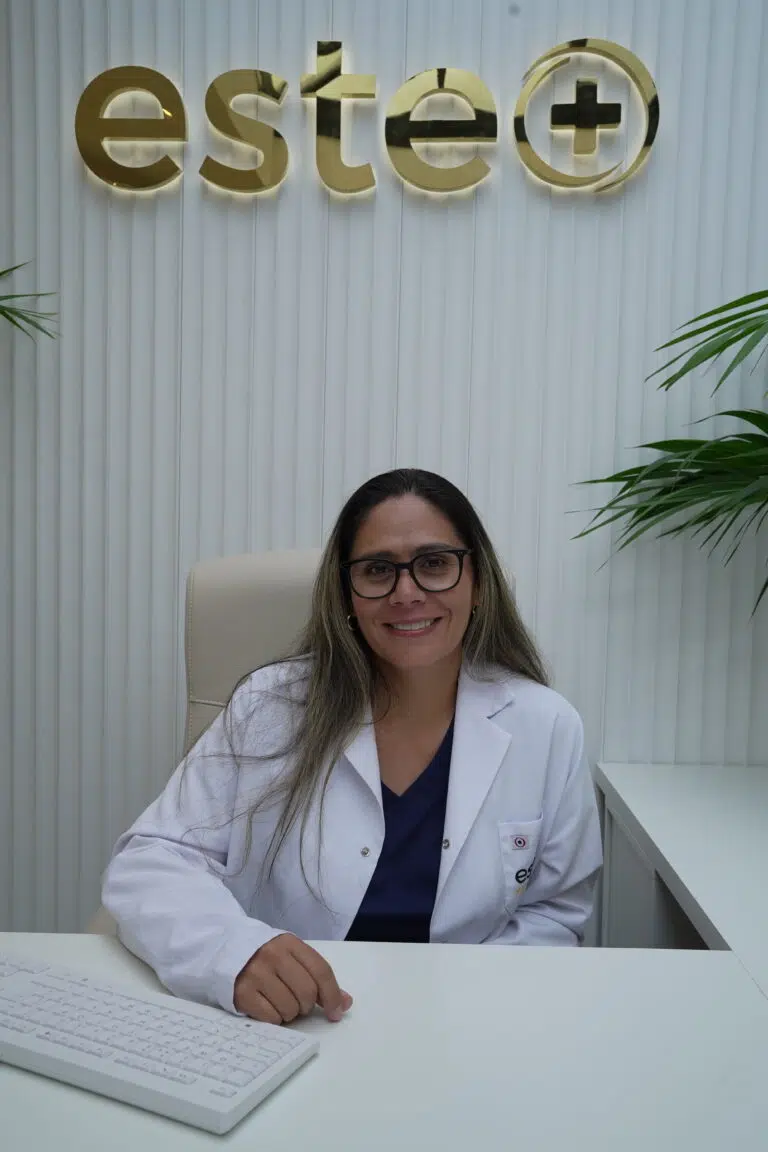
Dr. Ileana Lizzeth Jimenez Andrade
GMC Number: 7764470

Dr. Ilknur Nihal Ardic
GMC Number: 7996656
Visit our Birmingham clinic
Este Cosmetic Surgery
7-9 Portland Road, Birmingham, B16 9HN
📞 0121 798 1072
✉️uksurgery@estehairtransplant.co.uk
🕘 Open Mon – Sat: 9AM to 8PM | Sun: Closed